
The carbon-neutral horizon in the maritime industry: challenges and opportunities that have already begun.
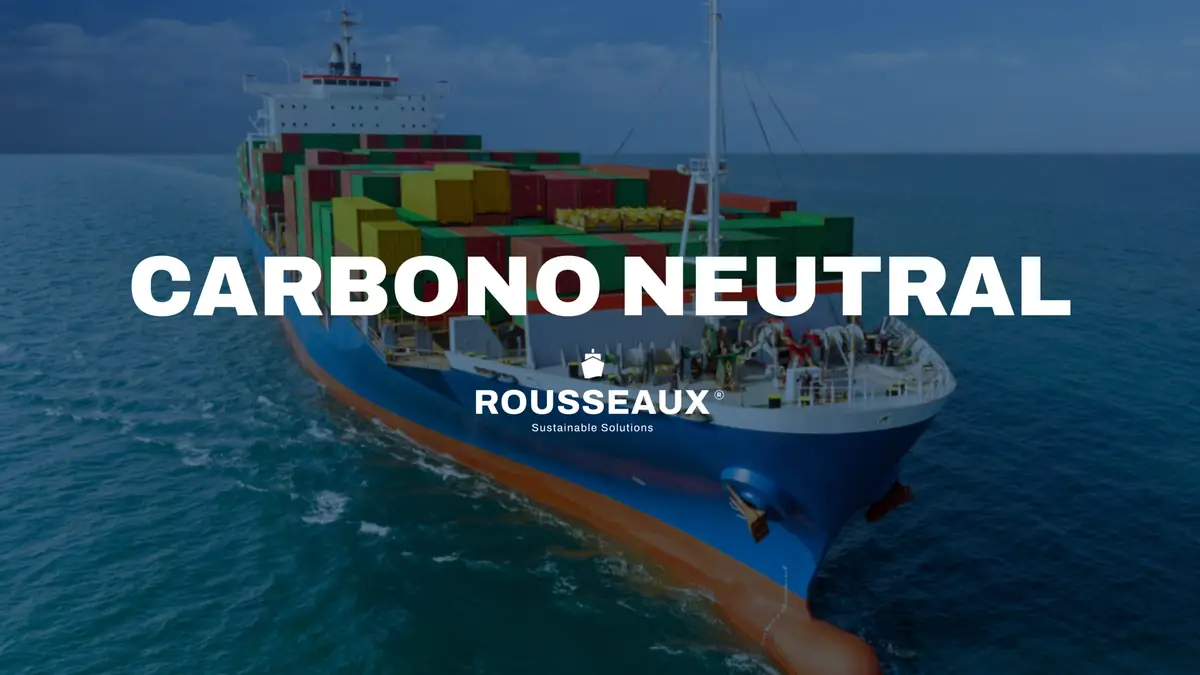
The energy transition is no longer a future concept: it is an urgent need and a global commitment taken on by the entire maritime industry. According to the roadmap set by the International Maritime Organization (IMO), the sector must reach carbon neutrality by 2050. An ambitious goal, but one that cannot be postponed.
In this context, during the “Port Safety & Navigation” streaming series organized by GlobalPorts, Martín Rousseaux - CEO of ROUSSEAUX / Sustainable Solutions - was forceful in addressing this transformation:
“The use of fossil fuels has an end point. It is already known that by the year two thousand fifty the entire maritime sector has to be carbon neutral. There is no turning back on that. And that means changing fuels, new technologies and new players. That is why we are going to have several types of measures to achieve all this.”
At ROUSSEAUX, we have been supporting companies in the maritime, logistics and port sectors with integrated solutions that make it possible to meet environmental regulations and move toward more efficient operating models. Through technical advice, emissions monitoring, energy efficiency plans, training and support in adopting new fuels, we seek not only to comply with regulations but to create competitive advantages in increasingly demanding global environments.
In Martín Rousseaux's words:
“Sustainability is no longer a differentiator, it is a condition for operating. Those who do not adapt will be left off the international logistics map.”
The path to carbon neutrality is neither linear nor immediate. It requires planning, investment and cooperation between public and private players. But above all, it demands strategic vision. Those who take on this challenge today with seriousness and commitment will lead the new era of maritime transport.
At ROUSSEAUX we reaffirm our commitment: we will keep developing solutions that allow our clients to grow, innovate and lead without losing sight of the environmental and social impact of their activity.
Article published on May 21, 2025. The regulations mentioned may have changed since then.