
Underwater radiated noise and its impact on the oceans.
The growth of maritime trade and the need for sustainable solutions.
Maritime transport is a fundamental pillar of the global economy, moving cargo volumes that have doubled over the last two decades. However, this growth has brought a significant environmental challenge: the rise of Underwater Radiated Noise (URN). This phenomenon, generated by all types of ships, has been increasing by 3 dB per decade, seriously affecting marine ecosystems and interfering with the vital functions of marine species.
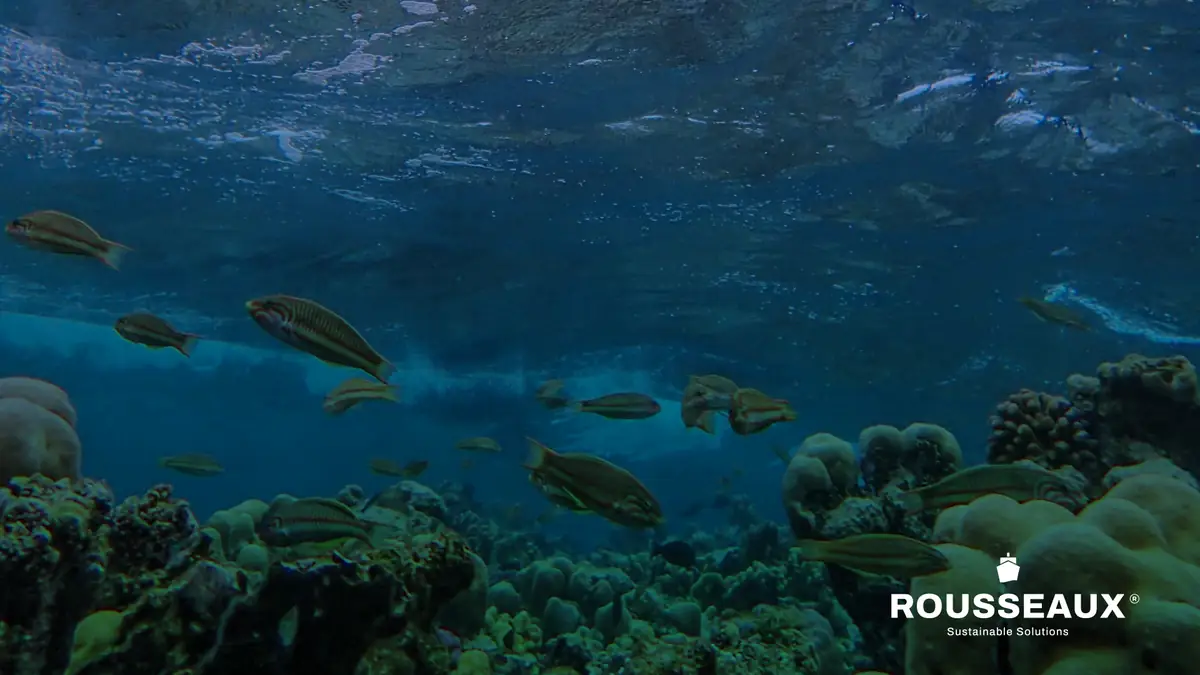
URN is a form of noise pollution that manifests through the vibrations and sounds emitted by ships, affecting a wide range of marine species that depend on sound to survive. The negative effects of URN include disruptions to communication, foraging and predator avoidance, leading to drastic changes in behavior, anatomy and stress levels in these species.
This type of pollution affects not only marine biodiversity but also has significant economic implications. The decline of key species such as marine mammals can hurt ecotourism, while disturbance of fish populations can reduce fishing catches, putting food security at risk.
Fortunately, there are solutions to mitigate the impact of URN. These include improving ship energy efficiency, which not only helps reduce greenhouse gas emissions but also lowers URN. Measures such as reducing propeller cavitation, regular hull maintenance, new coatings and in-situ monitoring technologies are essential to minimize noise and restore the sound balance of the oceans.
The growth of maritime trade, necessary for the global economy, brings an environmental responsibility that cannot be ignored. URN represents a significant challenge for the conservation of marine ecosystems and for the sustainability of the human activities that depend on them. Implementing effective measures to reduce underwater radiated noise is crucial to protect marine life and ensure a future in which economic growth does not come at the expense of the health of our oceans.
This planning offers an opportunity that will increase operational efficiency and reduce fuel costs. In addition, implementing the IMO guidelines shows that the shipping industry maintains its commitment to environmental sustainability.
ROUSSEAUX, as an Eco-efficient Operations Center for the Maritime Industry, aligned with the IMO MEPC.1/Circ.906 guidelines, positions itself as a key ally in this mission for existing ships, aiming to achieve reductions of up to 3 dB in the next decade, providing the tools and services needed to face this challenge.
Article written by: Federico Gasu
Article published on August 19, 2024. The regulations mentioned may have changed since then.